
Why Preventive Care Matters for Commercial Cooling Systems
For businesses that depend on refrigeration equipment, unexpected breakdowns can create serious operational challenges. Restaurants, grocery stores, food processing facilities, warehouses, healthcare centers, and industrial operations all rely on consistent cooling performance to protect products, maintain compliance, and ensure customer satisfaction. This is why investing in refrigeration maintenance services is one of the most effective ways to keep systems operating efficiently throughout the year.
A well-maintained refrigeration system does more than preserve temperature. It helps reduce energy consumption, lowers repair costs, and extends the lifespan of valuable equipment. Routine inspections and preventive maintenance can identify small issues before they become major problems that disrupt daily operations.
The Importance of Regular Refrigeration Maintenance
Commercial refrigeration systems work continuously, often running 24 hours a day. Over time, components experience wear and tear that can affect efficiency and reliability. Dust buildup, refrigerant leaks, worn belts, dirty coils, and electrical issues can all reduce system performance.
Regular maintenance helps ensure that every component functions as intended. Technicians can inspect critical parts, clean equipment, verify operating conditions, and make necessary adjustments to maintain optimal performance.
Businesses that schedule routine service often experience fewer emergency repairs and more consistent cooling performance. This proactive approach minimizes downtime and helps avoid costly product losses caused by temperature fluctuations.
Common Issues That Maintenance Helps Prevent
Many refrigeration failures develop gradually. Without routine inspections, small problems may go unnoticed until they result in significant damage or complete system failure.
Common issues include:
- Dirty condenser coils reducing efficiency
- Refrigerant leaks affecting cooling capacity
- Clogged drain lines causing moisture problems
- Faulty electrical connections creating safety risks
- Damaged fan motors impacting airflow
- Worn compressors reducing system performance
Professional technicians can identify and resolve these issues early, helping businesses avoid expensive repairs and operational disruptions.
Energy Efficiency and Cost Savings
Energy costs represent a significant portion of refrigeration operating expenses. Systems that are not properly maintained often consume more electricity while delivering lower performance.
Routine maintenance improves efficiency by ensuring that coils remain clean, refrigerant levels are correct, and mechanical components operate smoothly. Even minor improvements in efficiency can result in noticeable savings over time.
Organizations seeking to control operating costs often find that preventive maintenance programs deliver long-term financial benefits. Reduced energy consumption, fewer repairs, and extended equipment life contribute to a stronger return on investment.
In the middle of a facility management strategy, reliable refrigeration maintenance services can play a critical role in controlling expenses while maintaining operational continuity.
Extending Equipment Lifespan
Commercial refrigeration equipment represents a substantial investment. Replacing compressors, condensers, evaporators, or complete systems can require significant capital expenditure.
Preventive maintenance helps protect that investment by reducing unnecessary strain on equipment. When components operate under proper conditions, they experience less wear and maintain peak performance for longer periods.
Regular inspections allow technicians to detect developing problems before they cause permanent damage. As a result, businesses can maximize the useful life of their refrigeration assets and delay costly replacement projects.
Supporting Food Safety and Compliance
For food-related industries, maintaining proper temperatures is essential. Even brief cooling interruptions can compromise product quality and create compliance concerns.
Routine maintenance helps ensure refrigeration systems consistently maintain required temperatures. Accurate controls, calibrated sensors, and properly functioning components contribute to reliable performance and regulatory compliance.
Businesses in healthcare, hospitality, food service, and food distribution industries especially benefit from a proactive maintenance approach that protects both products and reputation.
What Professional Maintenance Typically Includes
A comprehensive refrigeration maintenance program often involves multiple inspection and service procedures designed to optimize system performance.
Typical maintenance tasks include:
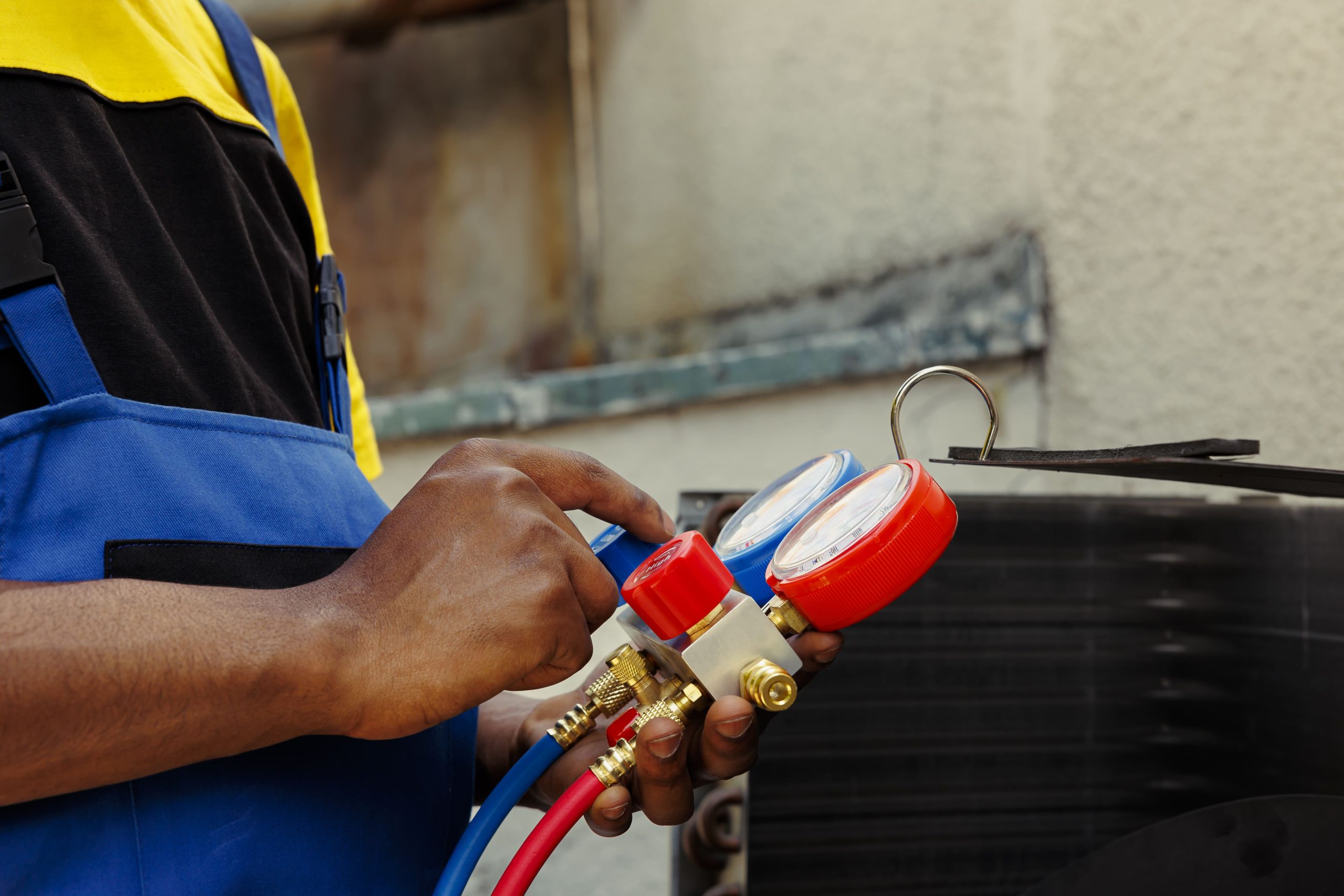
- Checking refrigerant pressures and levels
- Inspecting electrical connections
- Cleaning condenser and evaporator coils
- Verifying thermostat operation
- Inspecting fan motors and belts
- Testing safety controls
- Examining drain systems
- Evaluating compressor performance
- Monitoring system temperatures
- Identifying signs of wear or potential failure
These services help ensure the refrigeration system operates safely, efficiently, and reliably throughout the year.
Choosing an Experienced Mechanical Contractor
The quality of maintenance directly impacts system performance. Working with experienced professionals ensures refrigeration equipment receives the attention and expertise required for long-term reliability.
A trusted mechanical contractor understands the complexities of commercial refrigeration systems and can develop customized maintenance programs based on facility requirements. Experienced technicians use industry best practices to identify potential concerns and recommend practical solutions.
Businesses should look for providers with strong technical expertise, responsive service, and a commitment to preventive maintenance strategies that minimize operational disruptions.
Building a Long-Term Maintenance Strategy
Rather than waiting for equipment failure, successful organizations implement scheduled maintenance plans designed to support long-term reliability. Regular service visits allow technicians to track system performance, identify trends, and address concerns before they escalate.
A proactive maintenance strategy creates greater predictability, reduces emergency service calls, and helps businesses maintain uninterrupted operations. Over time, this approach contributes to improved efficiency, reduced costs, and enhanced equipment longevity.
Conclusion
Reliable refrigeration is essential for many commercial and industrial operations. Unexpected equipment failures can result in downtime, product loss, increased costs, and customer dissatisfaction. Preventive maintenance provides a practical solution by helping businesses maintain efficiency, reliability, and compliance.
Professional refrigeration maintenance services support long-term equipment performance through routine inspections, cleaning, testing, and proactive repairs. By investing in regular maintenance, organizations can reduce operating costs, extend equipment life, and ensure dependable cooling performance throughout the year.
For businesses seeking dependable HVAC and refrigeration expertise, Con-Air Mechanical L.L.C delivers professional solutions designed to keep critical systems operating efficiently and reliably.